
Introduction
Hungary’s cinematic appeal extends far beyond its postcard-perfect castles and grand boulevards. For filmmakers seeking raw, atmospheric, and unconventional locations, the country offers a wealth of hidden gems—from decommissioned industrial complexes to deserted villages and eerie institutional buildings. These settings provide authentic textures and surreal backdrops ideal for dystopian sci-fi, psychological thrillers, and arthouse dramas.
Inota Power Plant: The Dystopian Giant
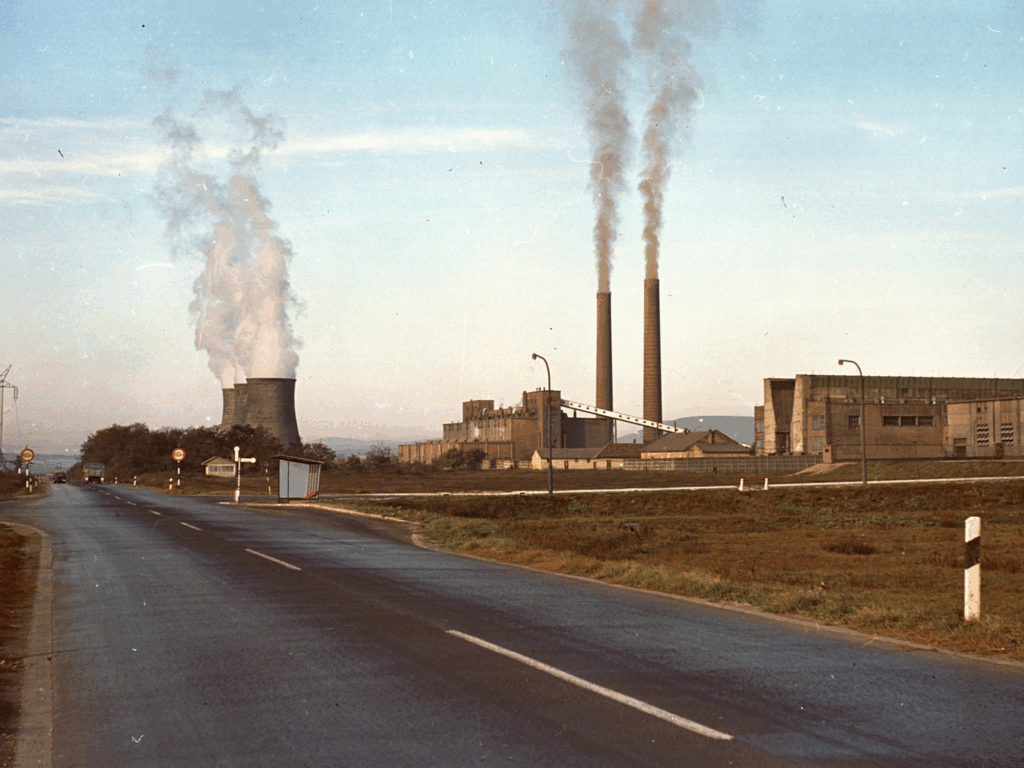
Located near the town of Várpalota, the Inota Power Plant is one of the most sought-after industrial filming locations in Central Europe. This decommissioned communist-era power station sprawls across several hectares and offers colossal turbine halls, rusting machinery, and endless concrete corridors.
It famously appeared in Blade Runner 2049 (2017), where its brutalist architecture helped bring Denis Villeneuve’s dystopian vision to life. The facility’s raw industrial character, combined with intelligent lighting design, made it the perfect stand-in for a post-apocalyptic setting. The film’s production designers praised the site for its “haunting scale and authenticity.”
Abandoned Soviet Barracks: Military Echoes of the Past
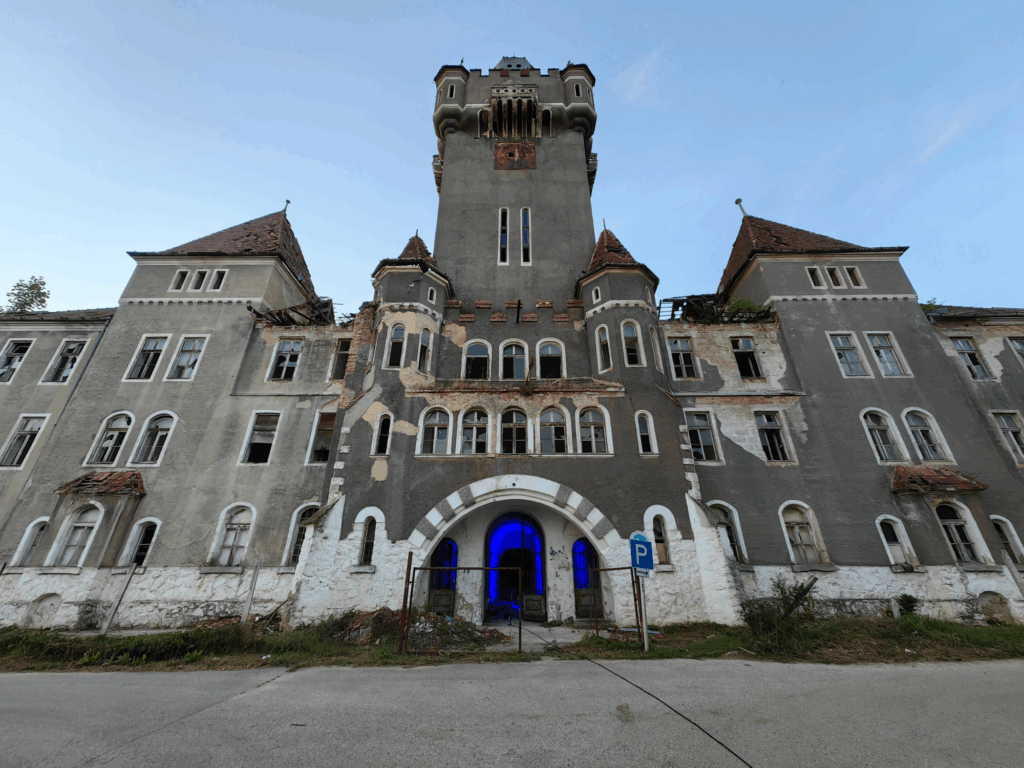
Scattered throughout Hungary are numerous former Soviet military barracks, left behind after the collapse of the Eastern Bloc. These sites, including the massive base in Hajmáskér, have become go-to filming spots for scenes involving military history, espionage, and post-war decay.
Used in both international and domestic productions, these complexes feature training grounds, crumbling dormitories, rusted signage, and neglected parade squares. Their eerie silence and authenticity have allowed them to double as locations in Cold War dramas and modern thrillers alike.
Derelict Villages: Time Capsules of Rural Life
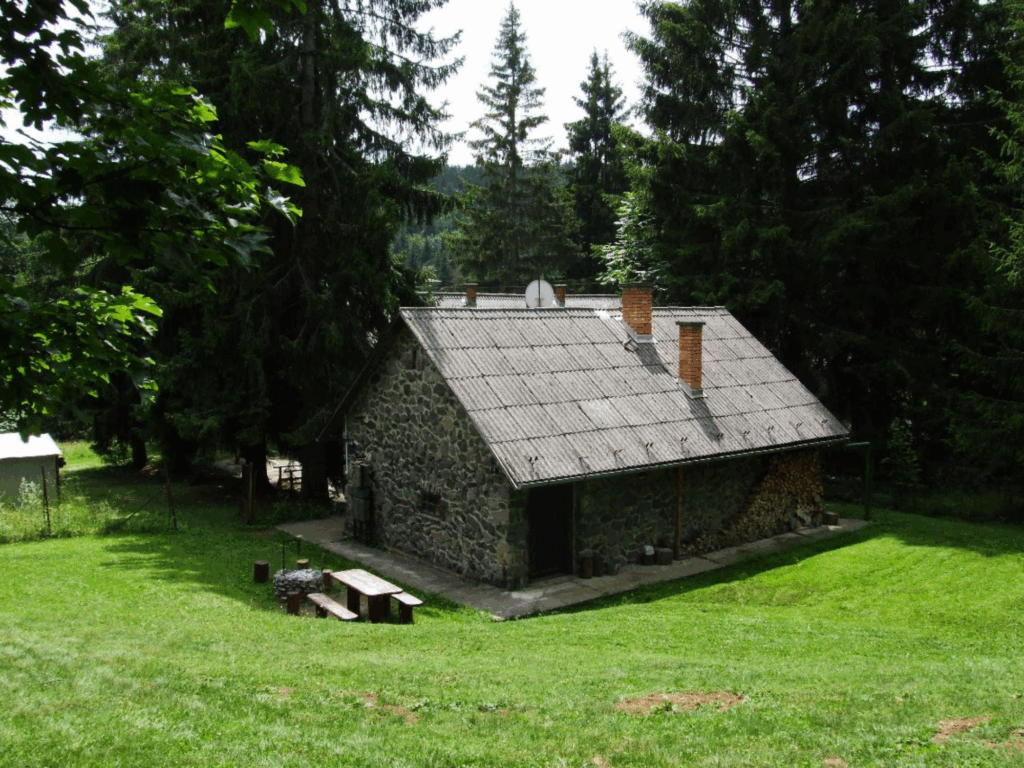
In some rural parts of Hungary, entire villages have been abandoned due to shifting populations and economic decline. Places like Zsörös, Bárándpuszta, and Pusztabükk offer untouched streets, empty houses, and overgrown gardens frozen in time.
These locations are perfect for horror films, historical reconstructions, or any narrative requiring an isolated, out-of-time feel. A number of independent productions have taken advantage of these spaces, drawn by the natural decay and atmospheric silence. Unlike built sets, these villages offer authenticity that’s difficult to replicate.
Kelenföld Power Plant Control Room: Retro-Futuristic Style
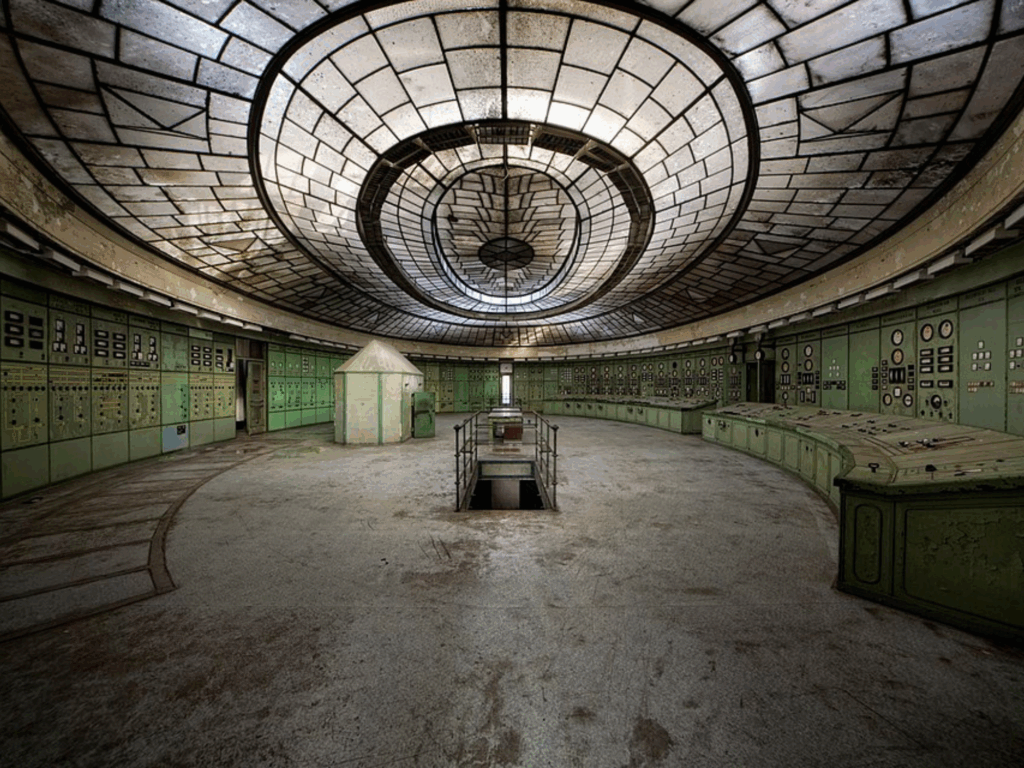
The Art Deco control room of the Kelenföld Power Plant in Budapest has become a cult favorite among location scouts. With its green glass ceiling, semicircular control panels, and 1930s industrial design, it offers a retro-futuristic aesthetic perfect for sci-fi and period films.
While not completely abandoned, this location has featured in fashion shoots, commercials, and film scenes requiring a surreal, anachronistic atmosphere. It provides a unique contrast to modern digital sets with its analog dials and symmetrical geometry.
Psychiatric Hospitals and Institutional Buildings
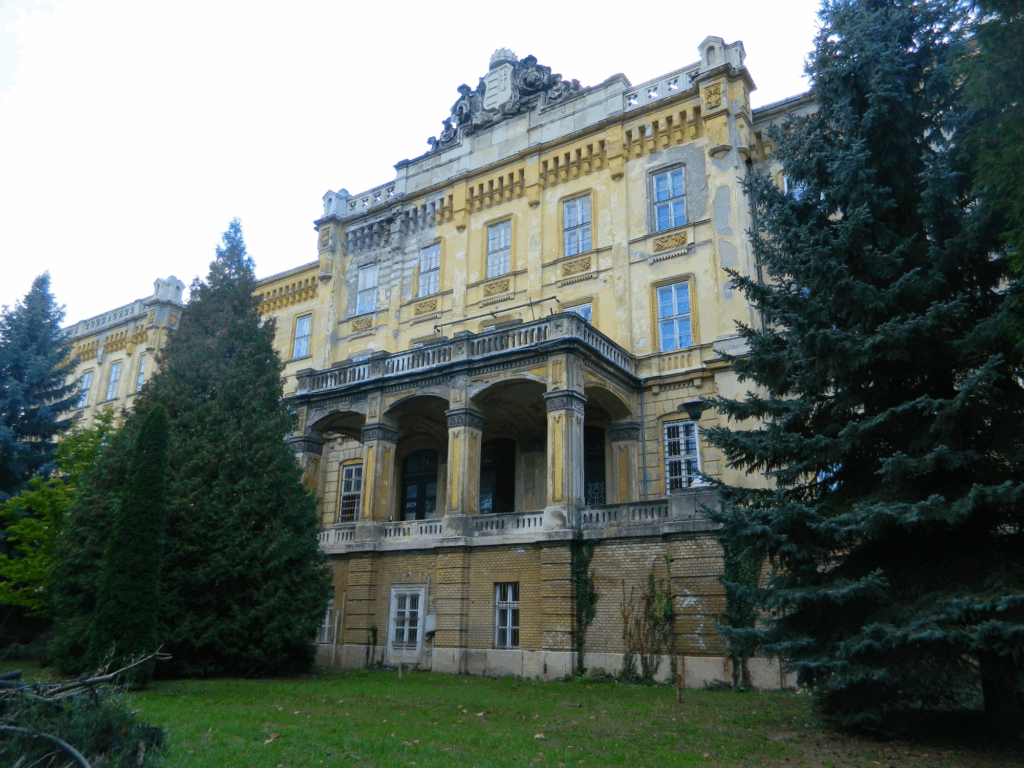
Hungary is also home to several closed-down psychiatric institutions, many of which are preserved in a state of partial decay. One such example is the former Lipótmező Psychiatric Hospital in Budapest, which remains one of the city’s most haunting locations.
Though access is restricted, similar facilities across the country have been used in psychological thrillers and horror films. Their peeling walls, barred windows, and institutional furniture evoke unease, memory, and the passage of time. These spaces are especially attractive to directors working with themes of confinement or trauma.
Natural and Man-Made Contrast
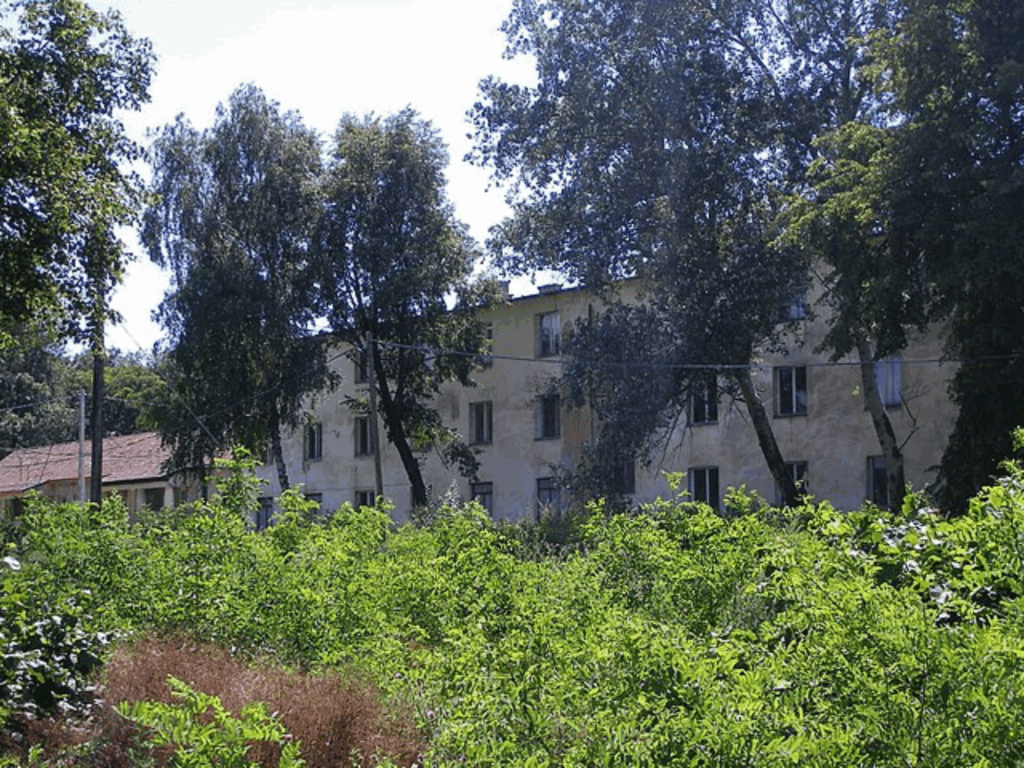
What makes Hungary truly unique for filmmakers is the interplay between its abandoned locations and nearby natural beauty. Many of the sites listed above are situated close to scenic forests, rivers, or rural plains, allowing for visual contrast within a single production area.
This proximity reduces logistical costs and gives directors more visual tools to craft contrasting moods—gritty versus serene, industrial versus organic, modern ruin versus ancient heritage.
Conclusion
Hungary’s forgotten spaces tell stories of industrial ambition, military occupation, and rural decline. For filmmakers, they offer rich, authentic locations that inject realism and atmosphere into any production. Whether it’s the bleak grandeur of Inota or the eerie silence of a deserted village, these hidden gems stand ready to serve as the perfect canvas for bold visual storytelling.

