
Visionary director Denis Villeneuve has twice turned to Budapest when crafting his epic science-fiction worlds – first for Blade Runner 2049 (2017) and again for Dune (2021). These projects highlight Villeneuve’s apparent affinity for the Hungarian capital’s filmmaking resources and atmosphere.
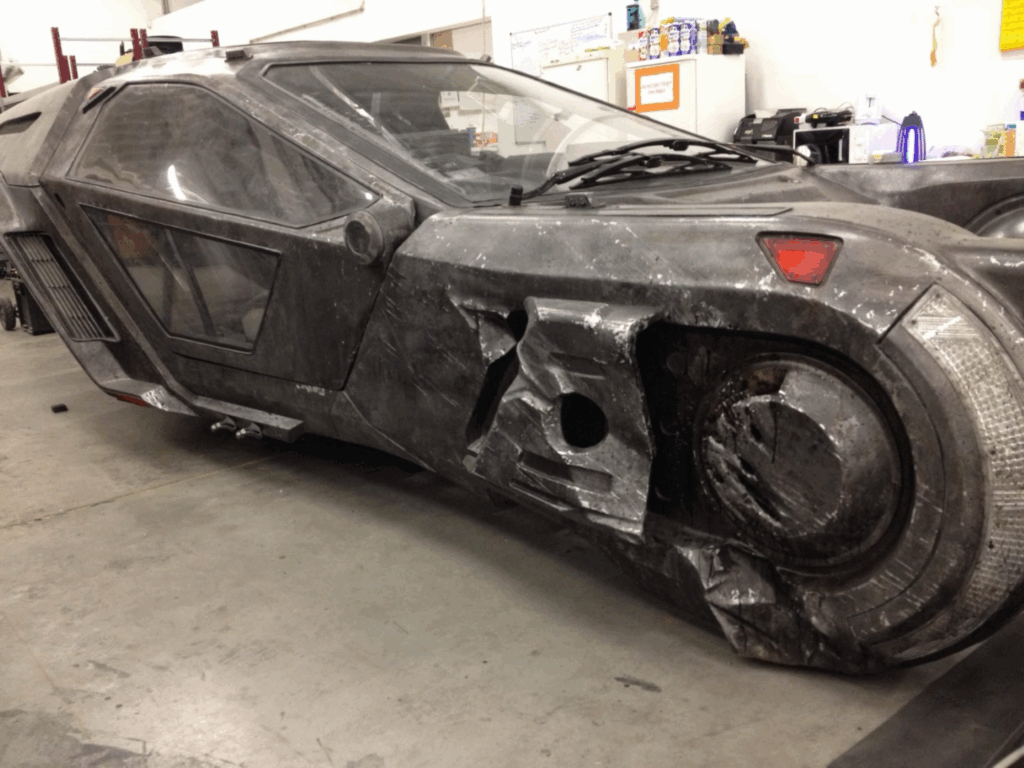
Blade Runner 2049: Crafting a Dystopian Future in Budapest
For Blade Runner 2049, Budapest provided not only massive studios but also a fitting dystopian backdrop. Shooting took place mainly at Korda and Origo Studios on the outskirts of the city, where the production built intricate sets of a future Los Angeles. Hungary’s 25% film tax rebate (since increased to 30%) was a welcome incentive, but it was the quality of facilities and crew that truly impressed the filmmakers.
Origo Studios’ state-of-the-art soundstages and backlot enabled the team to construct expansive, neon-soaked cityscapes in a controlled setting. For example, the film’s famous nightclub bar scene – with its futuristic décor and holographic dancers – was built entirely on a Budapest soundstage to meticulous detail. Cinematographer Roger Deakins also utilized Origo’s advanced post-production suites to fine-tune the movie’s striking visuals.
Dune: Building Arrakis in Hungary
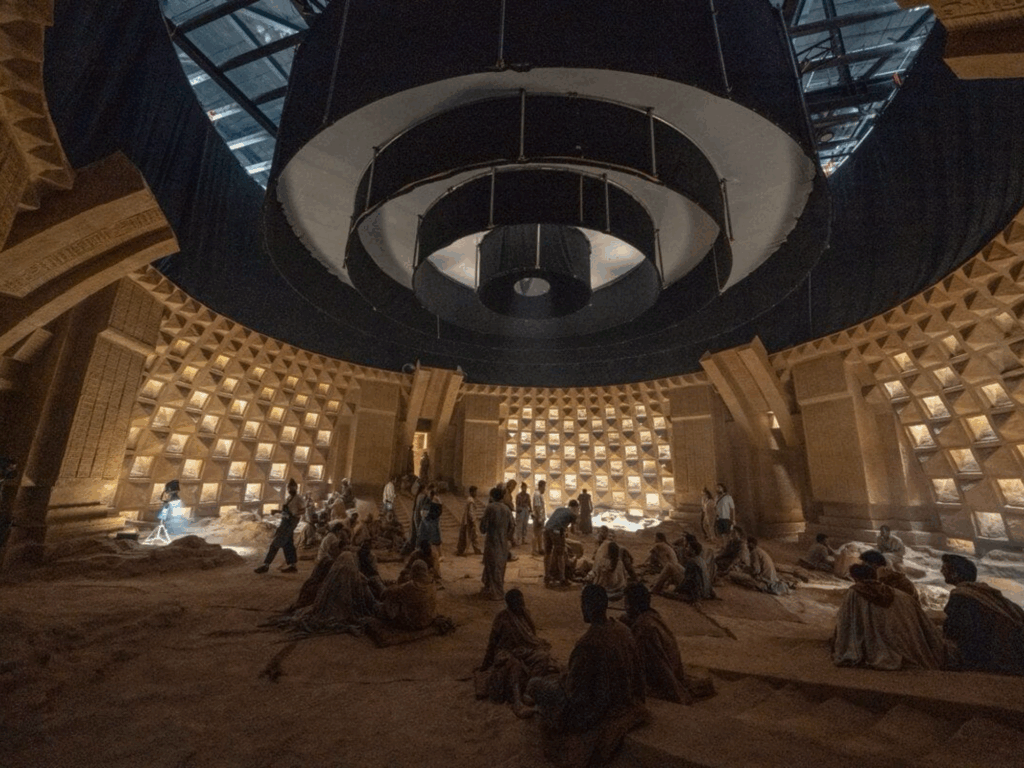
Villeneuve was so pleased with the experience that he returned to Hungary for Dune. In 2019, Budapest became one of the primary production hubs for this adaptation of Frank Herbert’s saga. Once again, Origo Studios served as the European base of operations, hosting massive desert planet interiors and palace sets on its stages.
Industry observers noted that Budapest, traditionally known for historical and spy films, was now proving its mettle for grand science-fiction. One reason is the combination of affordability and dependability: Hungary’s skilled crews and modern facilities keep productions on schedule and on budget. In fact, the start of Dune’s shoot was strategically timed to take advantage of Hungary’s newly raised 30% rebate, as local studios were operating at full capacity with international projects.
Villeneuve himself has spoken about Budapest’s appeal. He praised the city’s rich cultural legacy and beauty as inspiring – perhaps an added bonus beyond the practical benefits. On Dune, Hungarian art departments and effects teams contributed to realizing Arrakis on screen, building elaborate sets then complemented by location shooting in real deserts. While Hungary has no sand dunes of its own, it provided everything from colossal soundstages to a “desert” backlot area for scenes requiring smaller scale outdoor sets.
Budapest: A Rising Star in Global Filmmaking
The consistency of Villeneuve’s return to Budapest underscores the city’s rising status in global filmmaking. As one industry blog quipped, “Return customers like Villeneuve bode well for the future of science fiction film production in Budapest… Being affordable is a given, but being dependable is even more important.” Indeed, with both Blade Runner 2049 and Dune, Hungary proved to be a dependable creative partner, helping Villeneuve push the boundaries of visual storytelling while falling in love with Budapest’s unique blend of Old World charm and cutting-edge film infrastructure.
References

